Digital Forensics 101 Preserving Evidence in a Breach
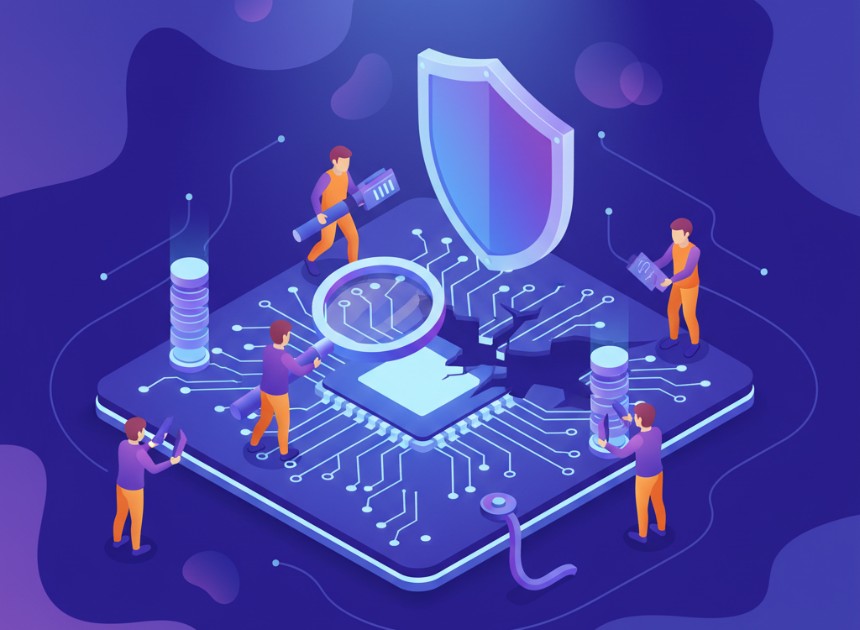
Digital Forensics 101: Preserving Evidence in a Breach
In the wake of a cybersecurity incident, the initial sixty minutes are often referred to as the Golden Hour. This period is the most critical window for determining whether an organization can successfully reconstruct the attack and hold the perpetrators accountable. At iExperts, we have observed that many organizations inadvertently destroy the very evidence needed for legal and forensic success in their rush to restore services. Understanding the fundamentals of digital forensics is no longer just for specialized investigators; it is a vital skill for every business leader and IT manager.
The Criticality of the Golden Hour
When a breach is detected, the instinct is to immediately isolate the system or reboot the hardware. However, these actions can purge volatile data stored in RAM, which often contains the only traces of modern, fileless malware. Preserving the state of the system is paramount for a successful forensic investigation.
- Volatility Priority: Digital evidence is fragile and disappears at different rates. Memory and network connections are the most volatile.
- Administrative Awareness: IT staff must be trained to recognize when a security incident transitions from a technical glitch to a potential legal matter.
"Digital evidence is a silent witness; it does not lie, but it must be handled with extreme care to remain admissible in a court of law."
Ensuring Chain of Custody
For any evidence to be useful in litigation or insurance claims, you must maintain a clear Chain of Custody. This is a chronological documentation that records the sequence of custody, control, and transfer of physical or electronic evidence. Without it, the integrity of your investigation can be easily challenged.
- Timestamped Logs
- Cryptographic Hashing
- Access Control Records
Pro Tip
Never perform an investigation on the original compromised storage media. Always create a bit-for-bit forensic image using a write-blocker to prevent any data alteration. Use the SHA-256 algorithm to verify the integrity of the image against the original source before beginning analysis.
Partnering for Success
Navigating the complexities of digital forensics requires a combination of technical expertise and legal awareness. At iExperts, we provide the tools and guidance necessary to build a resilient incident response plan that prioritizes forensic integrity. By acting decisively but carefully during the Golden Hour, your organization can turn a catastrophic breach into a managed recovery with actionable intelligence.